Managing the potential risks associated with isoflavones
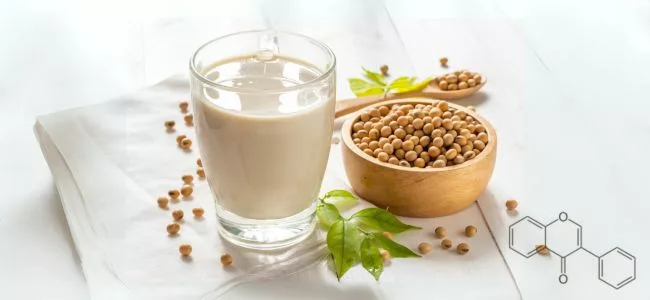
Over the past decade, reducing animal protein consumption has become a priority for environmental and public health reasons. In this context, soy, which is rich in protein, non-GMO in France, and easily used in a wide range of products, has become a popular alternative to animal products.
Soya naturally contains proteins, fibres and lipids, as well as bioactive compounds such as isoflavones. These molecules, structurally similar to estrogens, could have similar effects on the body when consumed in high quantities. This effect is still debated, even in Asian countries where soy is consumed daily.
In this context, the French Agency for Food, Environmental and Occupational Health & Safety (ANSES) is warning of the risks associated with excessive consumption of soy-based foods and recommends avoiding the serving of soy-based foods in institutional food service settings.
To control the potential risks associated with isoflavones, the ITERG Group offers :
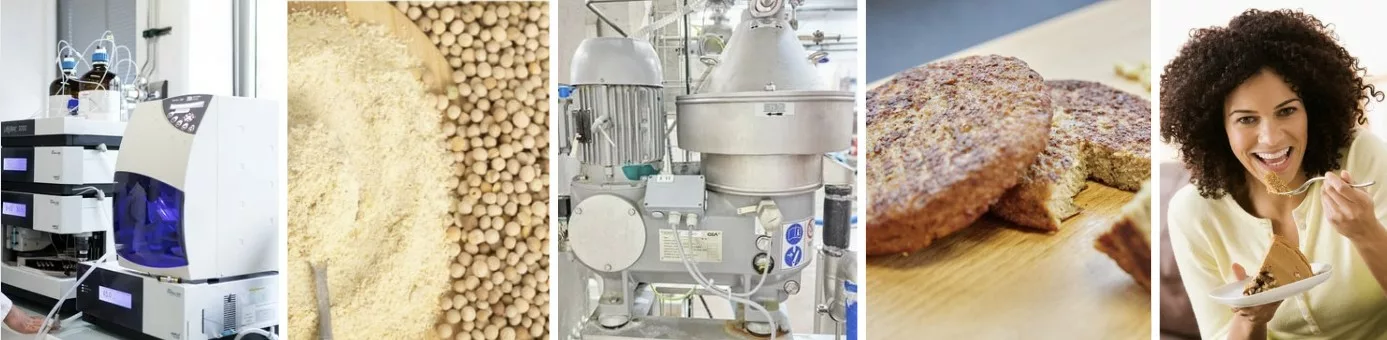
- an in-house COFRAC*-accredited isoflavone assay developed by ITERG, enabling analysis of all molecular forms present in all types of processed soy-based products (* Scope available on www.cofrac.fr).
👉 For more information: https://iterg.com/isoflavones
- a pilot hall and experimental kitchen on the IMPROVE site to test various technologies (microfiltration, enzymes, extraction, etc.) to reduce the isoflavone content of soy-based ingredients and foods, and help professionals reformulate their plant-based products.
The ITERG and IMPROVE teams are at your disposal to provide you with all the support you need.
Don't hesitate to contact us if you have any questions, or if you need personalized support.